
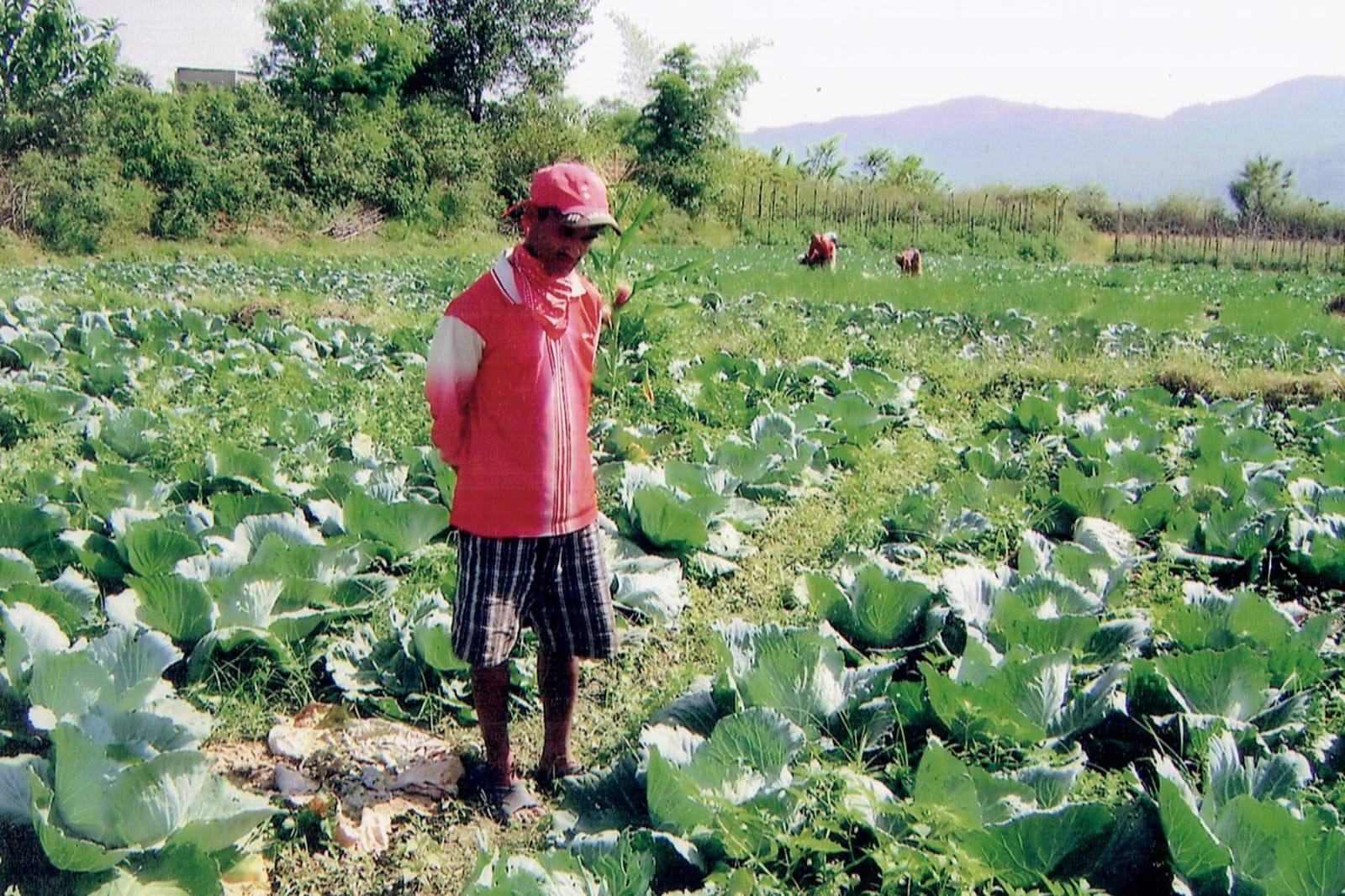
A field walk is more useful when it follows a routine. Looking at the crop regularly—and recording what changes—helps growers notice patterns and bring clearer information into technical conversations.
Walk a consistent route
Move through more than the field edge. A simple zigzag or W-shaped route provides a broader view and reduces the chance of judging the entire crop from one convenient spot.
Compare, do not just look
Notice differences between wetter and drier areas, shaded and open sections, and strong and weak plants. Comparisons often reveal useful questions even when the cause is not immediately clear.
Record what you see
Note the date, crop stage, recent weather, field activities and the location of unusual symptoms. Clear photographs from the same viewpoint can also help track change over time.
Ask before acting
When an issue is unfamiliar, collect observations and seek appropriate technical guidance before choosing a response. A precise description is more useful than a quick assumption.