
Site & Season
Tomato performs best in full sun with well-drained soil during the warmer months of the growing calendar.

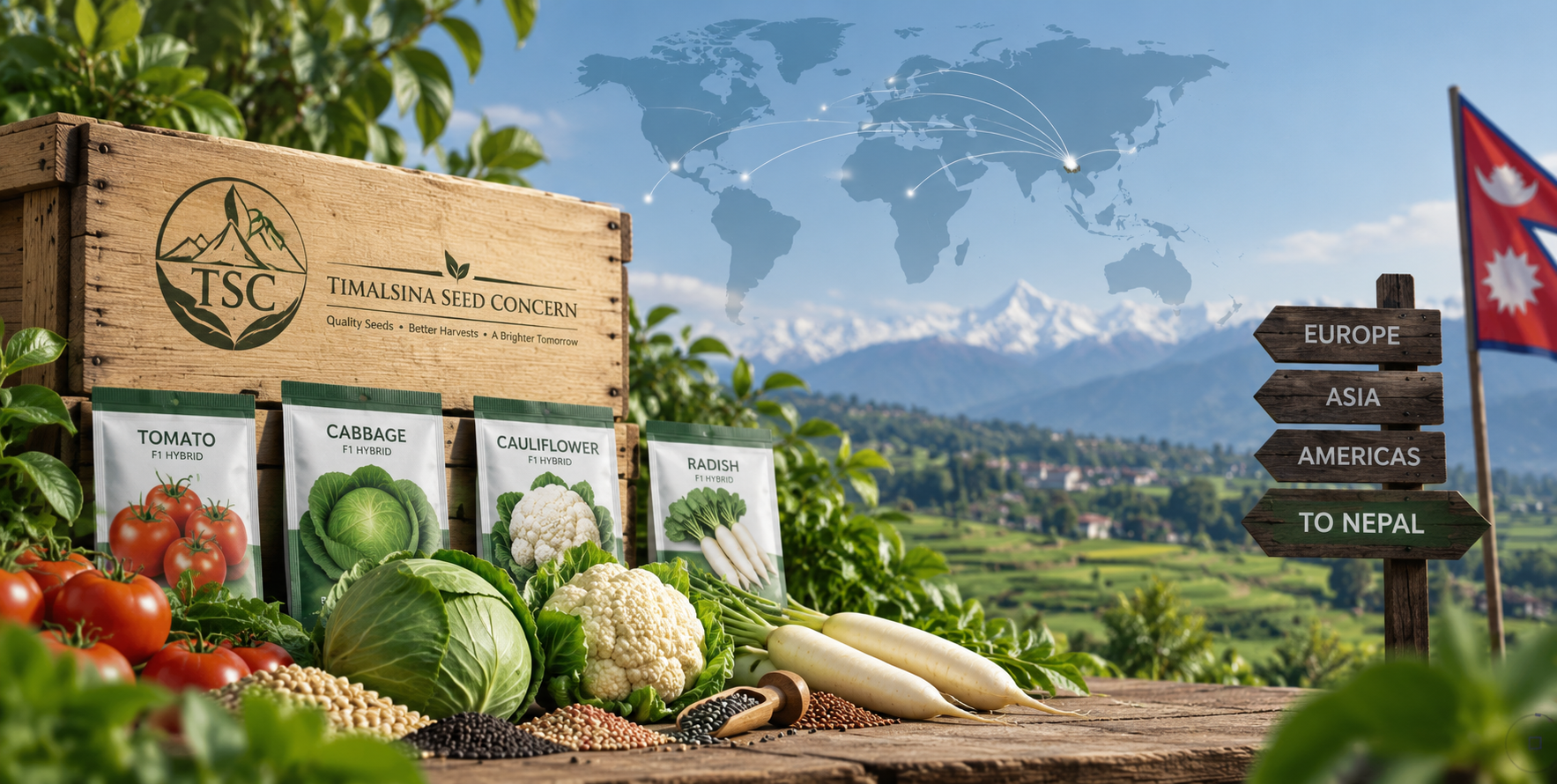
Every crop has its own rhythm — the right season, the right spacing, the right kind of care. These guides bring together practical, field-tested points for each of TSC's main vegetable crops, drawn from years of working alongside Nepal's growers.
Use the cards below to jump straight to a crop, or scroll through all seven for a fuller picture before you plant.
Talk to Our Team ↗Seven crop guides, each covering the growing basics from planting through to harvest.
Warm-season, high-value crop grown widely across Nepal for both fresh market and processing.
Read Guide ↓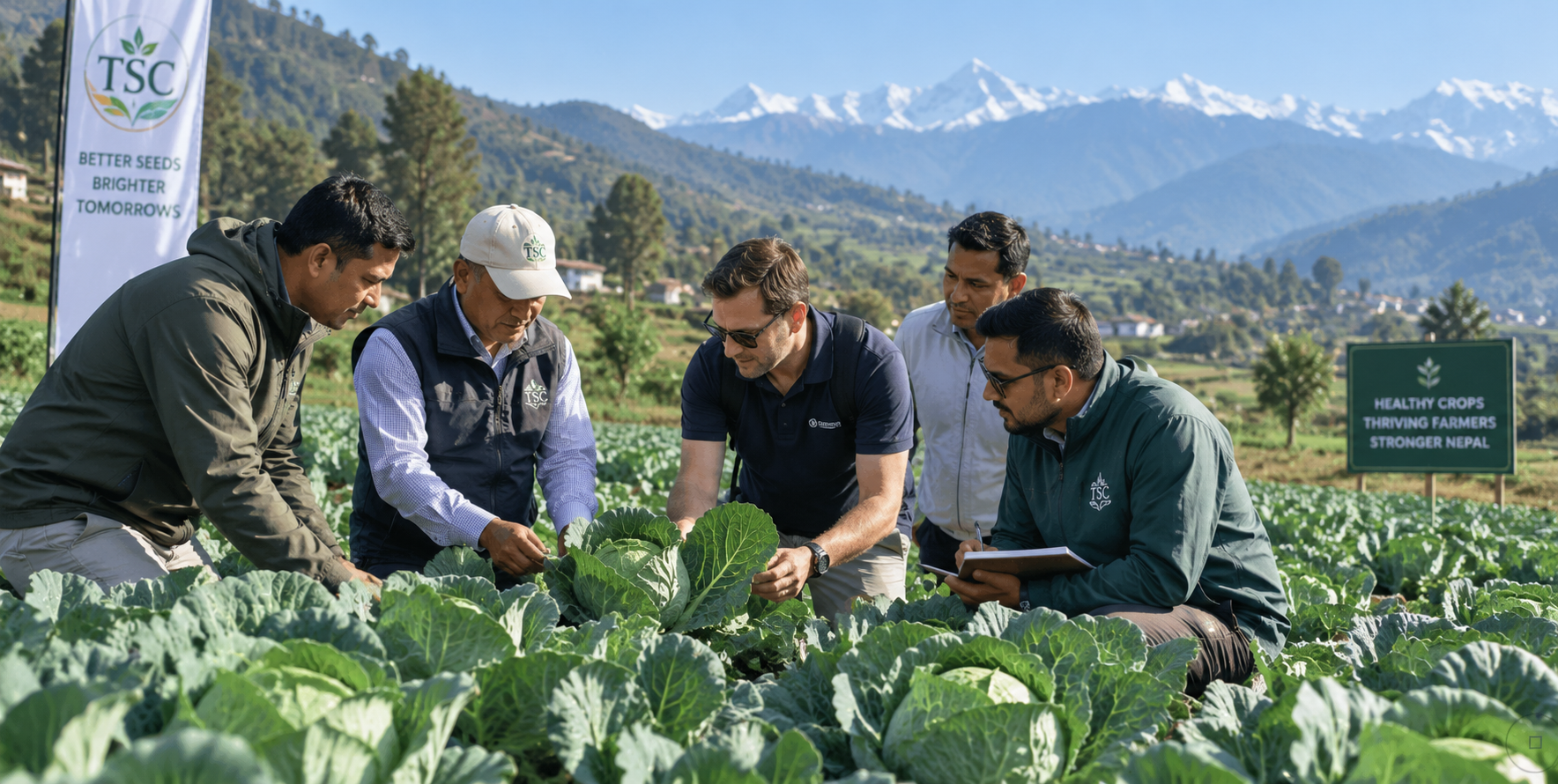
Fast-growing, warm-season vine crop suited to both open-field and support-trained cultivation.
Read Guide ↓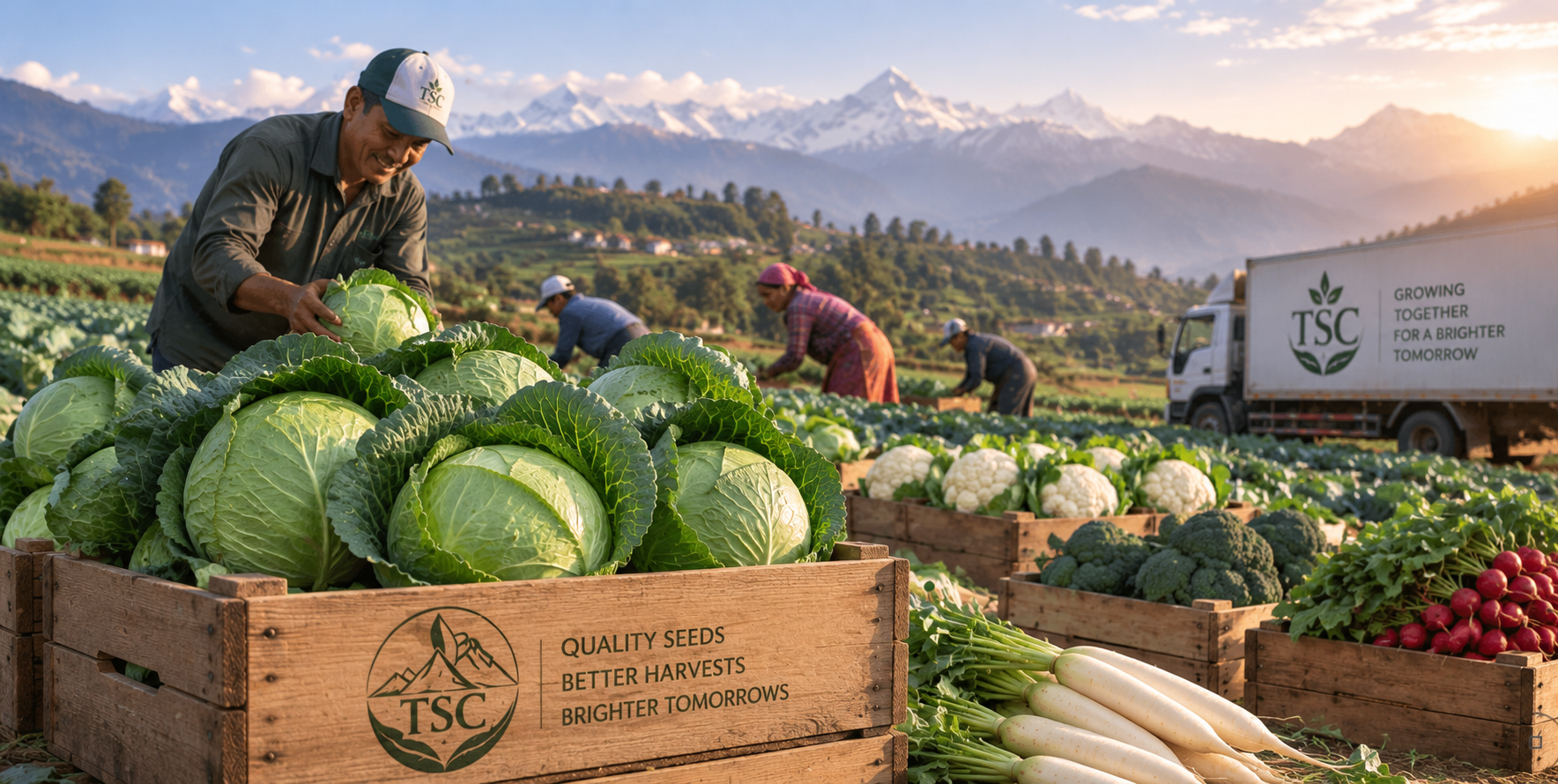
Warm-season crop grown for fresh, dried and processed use, with a longer cultivation window than most vegetables.
Read Guide ↓.jpeg)
A dependable cool-season crop grown widely across the mid-hills and plains of Nepal.
Read Guide ↓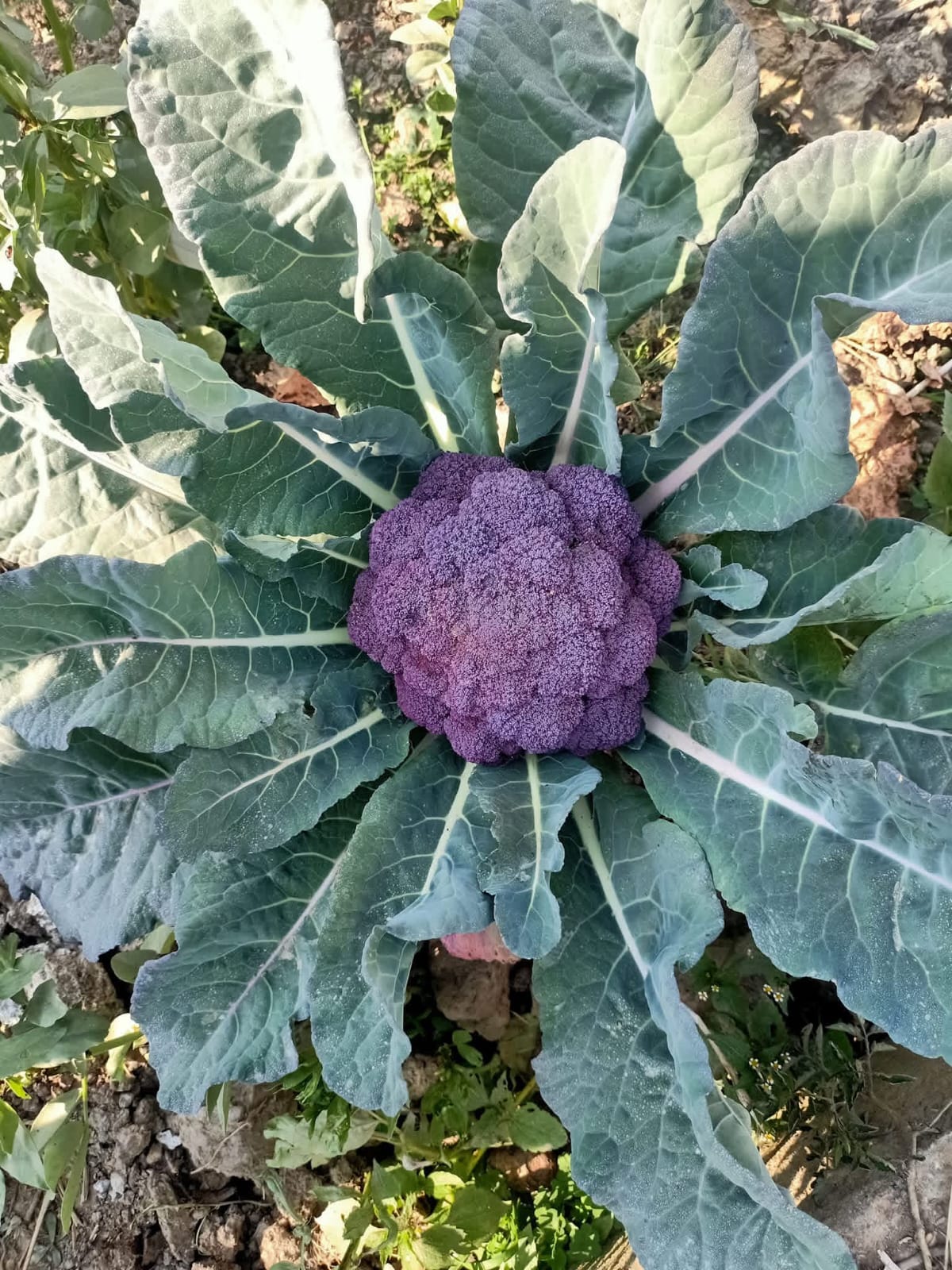
A cool-season crop valued for its curd quality, which depends closely on steady growing conditions.
Read Guide ↓.jpeg)
A fast-maturing root crop well suited to quick succession planting and short-season rotations.
Read Guide ↓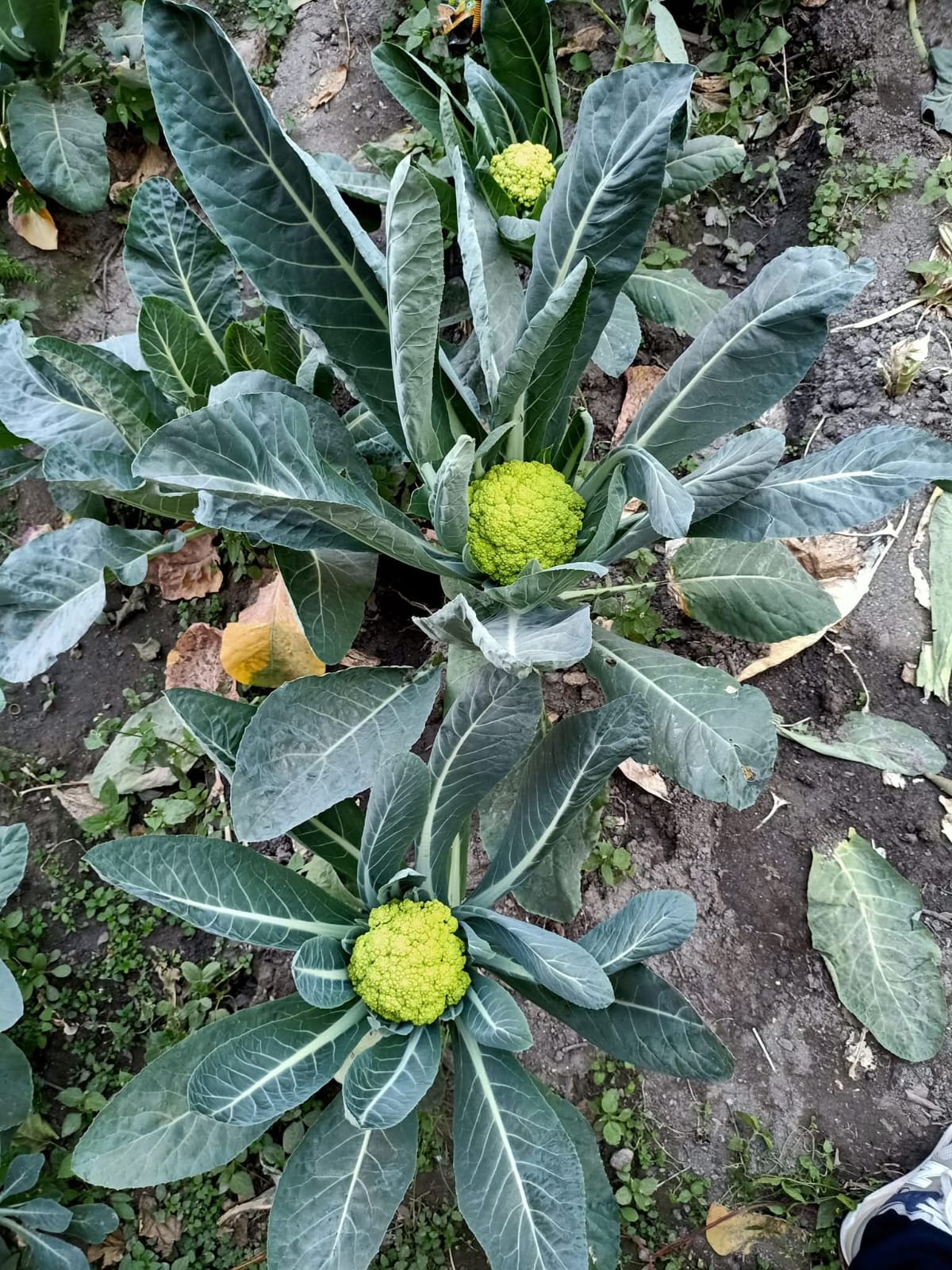
TSC's wider vegetable seed portfolio, covering additional crops beyond our core categories.
Read Guide ↓Warm-season, high-value crop grown widely across Nepal for both fresh market and processing.
Tomato performs best in full sun with well-drained soil during the warmer months of the growing calendar.
Raise seedlings in a nursery or sow directly, then transplant at a spacing that allows airflow and reduces disease pressure.
Consistent watering, balanced fertilization and staking support steady growth and healthy fruit development.
Harvest fruit once it reaches full color and firmness for the intended market or table use.
Fast-growing, warm-season vine crop suited to both open-field and support-trained cultivation.
Cucumber is a warm-season crop that grows best with full sun and consistent soil moisture.
Allow room for vines to spread, or use trellis support to save space and improve airflow around the fruit.
Even watering helps prevent bitterness, while regular feeding supports continued fruiting through the season.
Pick fruit while still tender; regular harvesting encourages the plant to keep producing.
Warm-season crop grown for fresh, dried and processed use, with a longer cultivation window than most vegetables.
Pepper prefers warm, settled conditions and a longer growing window from transplant through to harvest.
Space plants to allow good branching and airflow around developing fruit, reducing disease risk.
Steady moisture and balanced fertility support strong fruit set and help reduce blossom drop.
Harvest at the color and maturity stage suited to the intended market, whether fresh or processed.
A dependable cool-season crop grown widely across the mid-hills and plains of Nepal.
Cabbage is a cool-season crop that performs best with steady temperatures and consistent soil moisture.
Transplant nursery-raised seedlings with enough spacing for heads to fill out fully and evenly.
Regular watering and nutrient management support the development of firm, well-formed heads.
Harvest once heads feel firm and solid to the touch, before they begin to split.
A cool-season crop valued for its curd quality, which depends closely on steady growing conditions.
Cauliflower is a cool-season crop that is sensitive to temperature swings during curd formation.
Provide adequate spacing between plants for full head development and good airflow.
Consistent watering and feeding support even, compact curd development throughout the season.
Harvest promptly once curds reach full size, as quality can decline quickly if left in the field.
A fast-maturing root crop well suited to quick succession planting and short-season rotations.
Radish is a fast-maturing, cool-season crop that suits quick succession planting through the season.
Direct-sow at consistent spacing to encourage even, uniform root development.
Even soil moisture is key to preventing cracking and supporting smooth, well-shaped roots.
Harvest promptly at maturity, since roots left too long in the ground can turn woody.
TSC's wider vegetable seed portfolio, covering additional crops beyond our core categories.
Growing requirements vary by crop; align planting with local seasonal conditions and the specific variety chosen.
Follow crop-specific spacing and sowing guidance for the particular crop and variety selected.
Match watering and feeding practices to the specific crop's needs and growth stage.
Harvest timing depends on the crop and its intended market use; contact TSC for guidance.
Every field is different. Our team can help you apply this guidance to your own growing conditions and product choice.


Timalsina Seed Concern (TSC) connects Nepal's agricultural sector with quality seeds and agricultural products sourced through trusted international partnerships. We are committed to supporting growers with better choices for better harvests.