
What to Look For
Leaf color, growth stage, soil moisture and any early signs of stress, pests or disease as you move through the field.

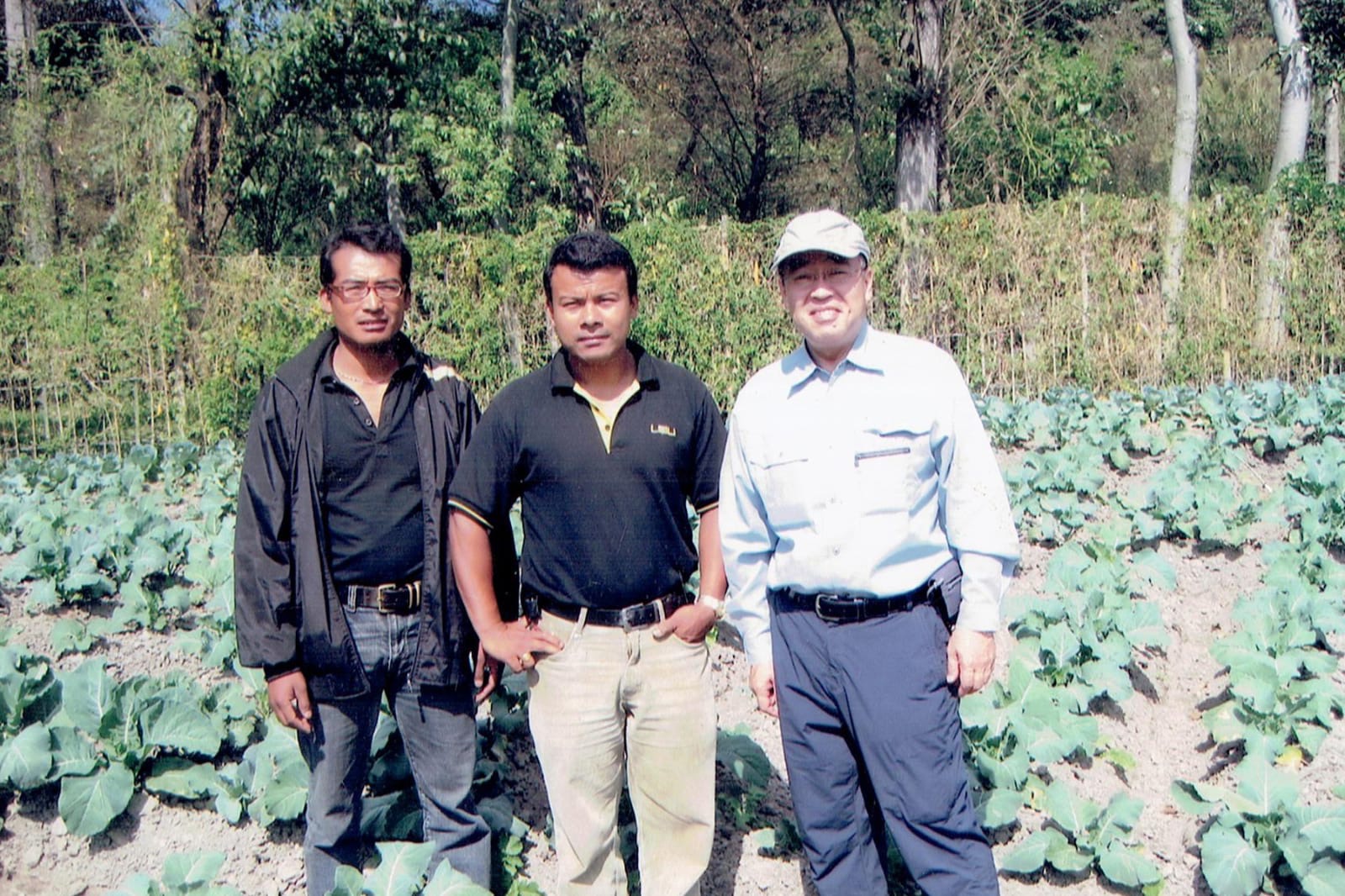
Good seed and the right variety are only part of the picture. What happens in the field — how you observe, transplant, water and respond — often makes the biggest difference between an average crop and a strong one.
These are practical, field-focused habits our team has picked up working alongside growers across Nepal, from the first transplant to the moment trouble first shows itself.
Talk to Our Team ↗Jump to any section, or read through for the full picture.
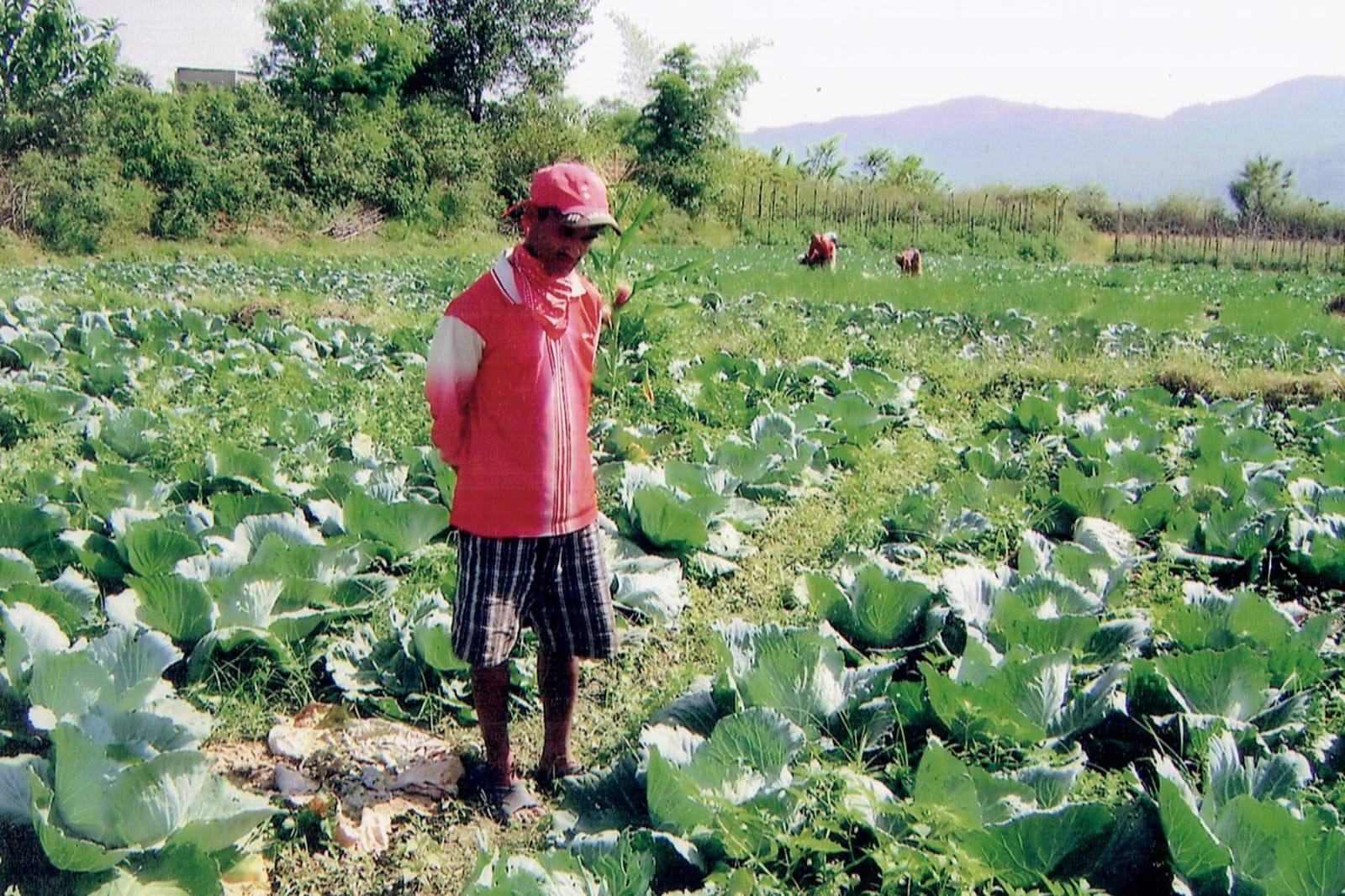
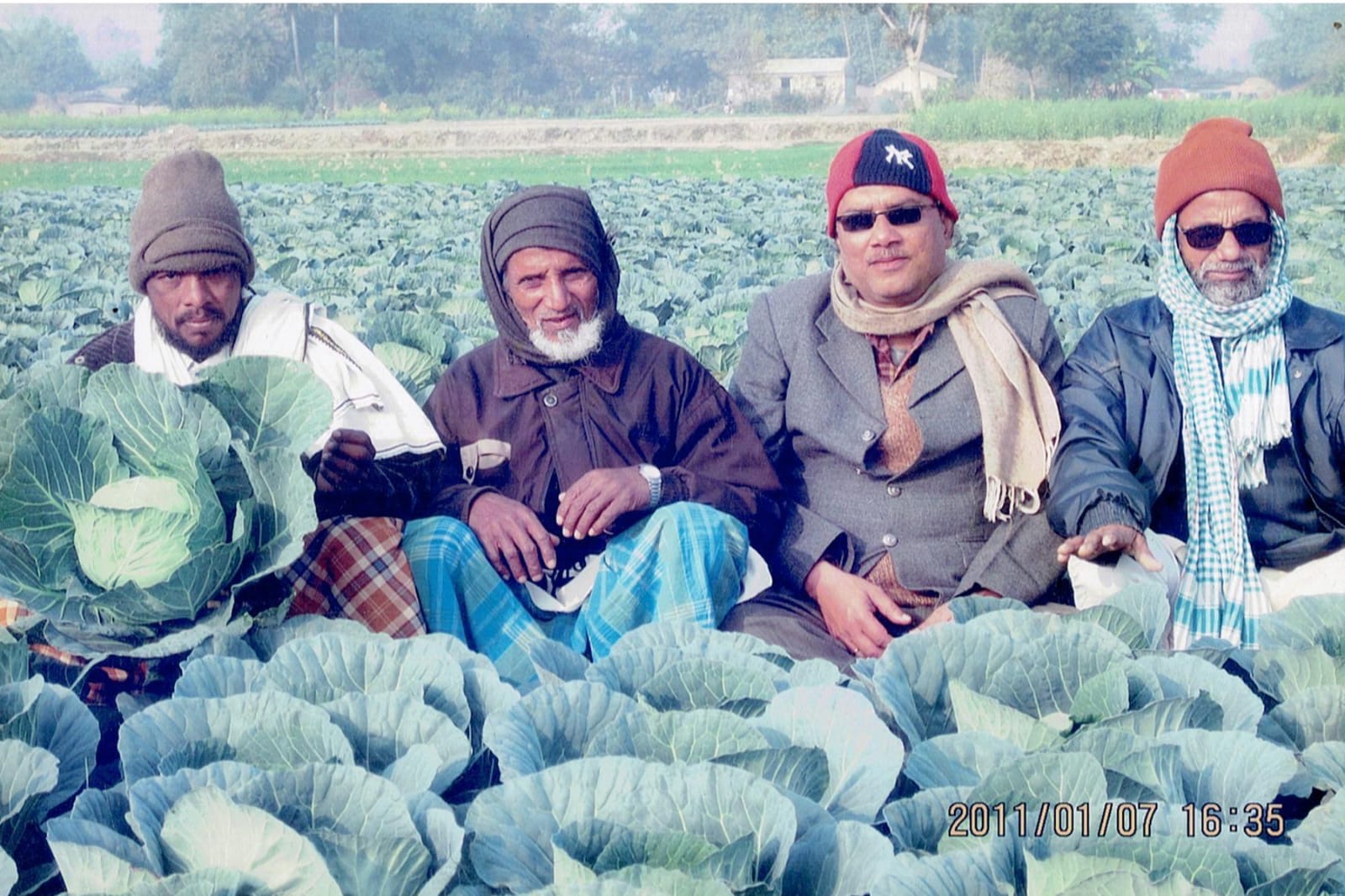
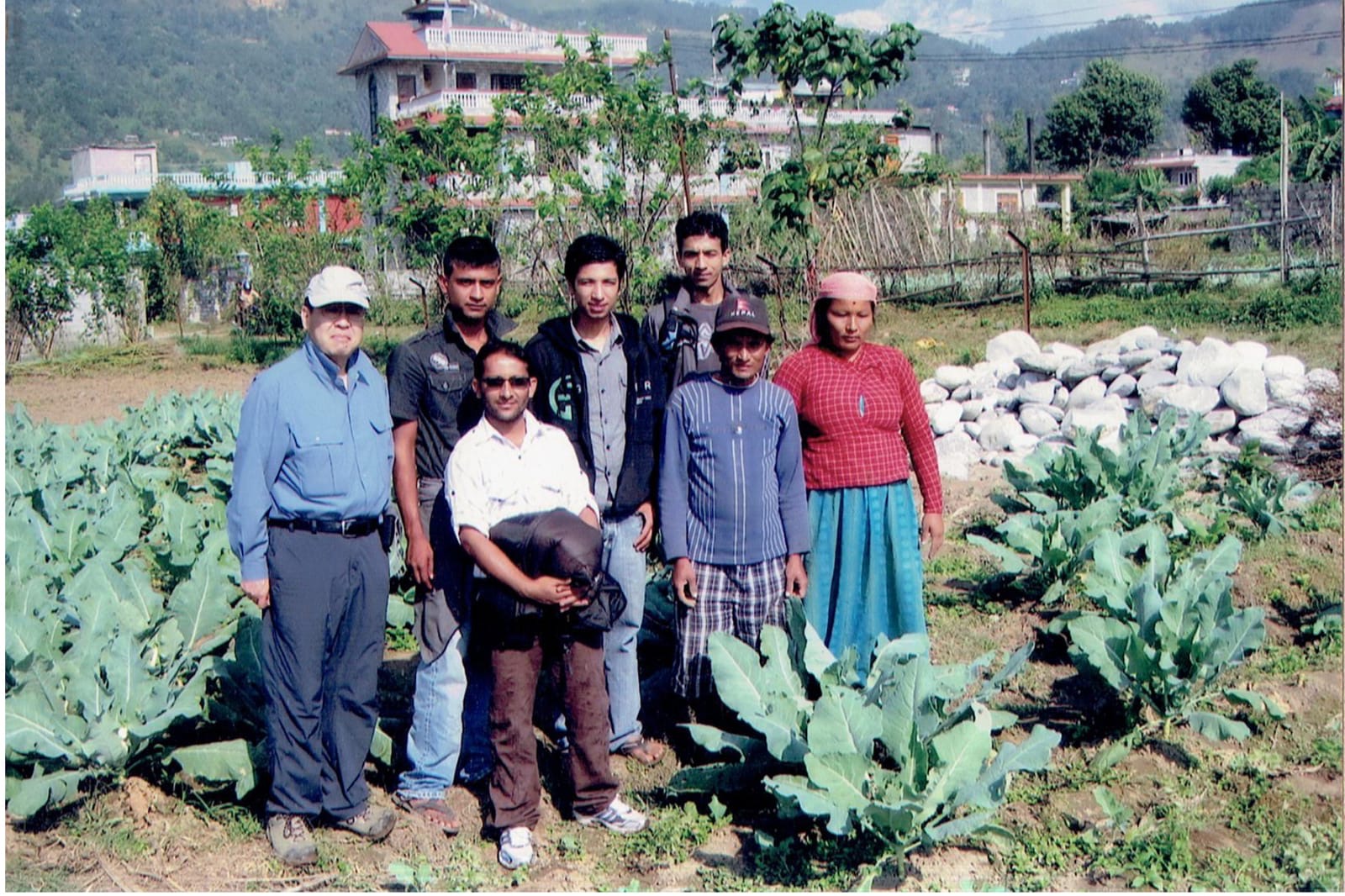
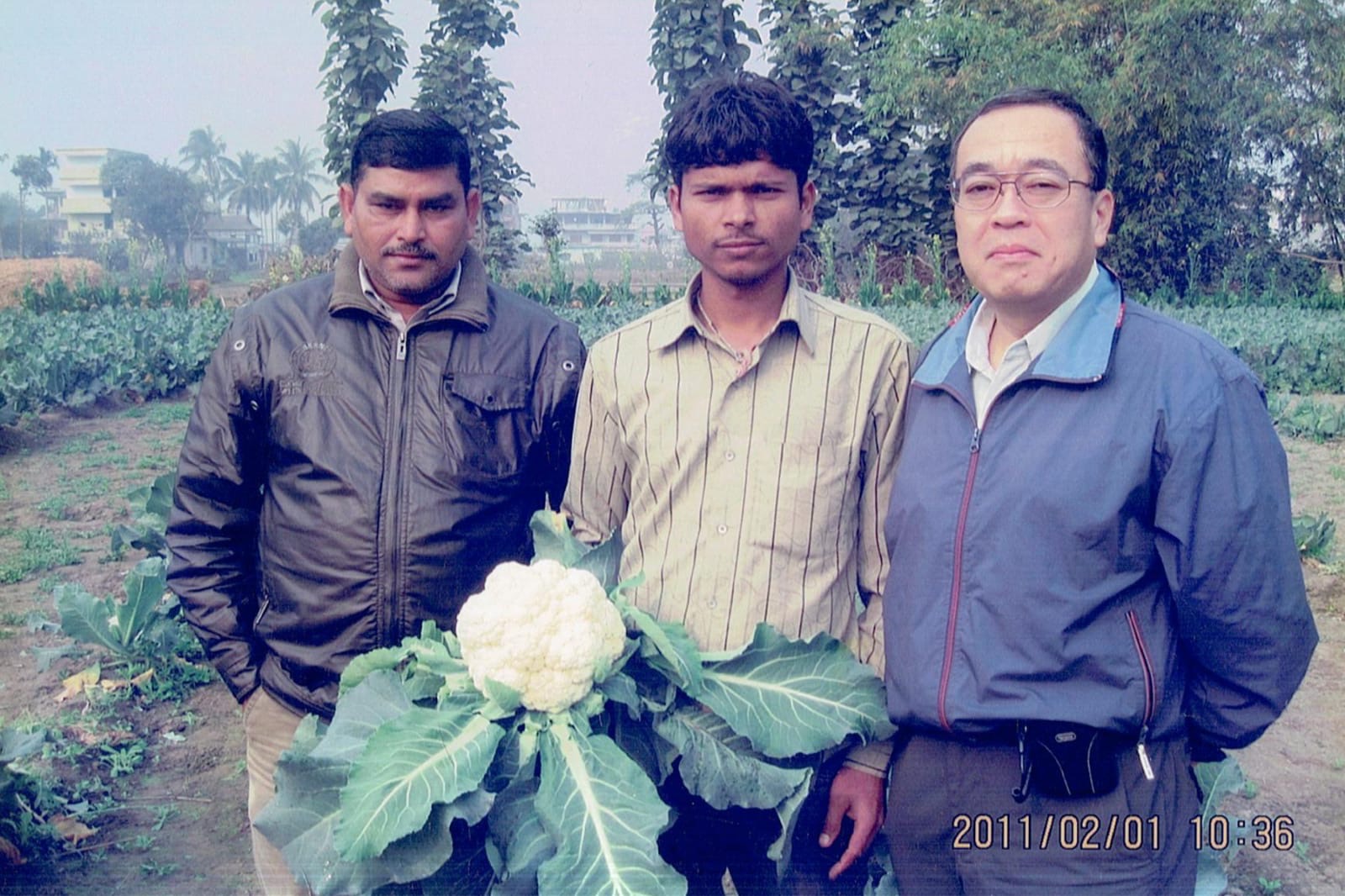
The single most useful habit a grower can build is also the simplest.
Leaf color, growth stage, soil moisture and any early signs of stress, pests or disease as you move through the field.
A short, regular walk — ideally at a similar time each day — makes it easier to notice when something changes.
A simple note of what you see helps you track patterns through the season and compare one season to the next.
The way a seedling makes the move from nursery to field has a lasting effect on how well it establishes. A few careful habits at this stage go a long way.
Not sure about the right spacing for your crop? Check our Crop Guides or ask our team.
Two of the most routine field tasks — and two of the easiest to get slightly wrong.
Watering in the cooler parts of the day reduces water lost to evaporation and eases stress on the plant.
Aim water at the base of the plant rather than the foliage to help reduce disease risk.
Regular, early weeding reduces competition for water, light and nutrients around your crop.
A layer of mulch can help retain soil moisture and suppress weed growth between plants.
Most field problems are easier to manage the earlier they're caught.
Many pests and early disease signs show up on the underside of leaves before they're visible elsewhere.
Sudden wilting, especially in a single plant or small patch, is worth a closer look rather than waiting it out.
If something looks unusual, note where and when you saw it, take a photo if you can, and ask before it spreads.
Small, isolated problems are far easier to manage than established ones. A quick response protects the rest of the field.
 FAQ
Ideally a short walk every day or every few days during active growth. Around flowering and fruiting, when conditions change quickly, more frequent checks are especially useful.
Early morning or late afternoon/evening, when temperatures are cooler and less water is lost to evaporation.
Not necessarily. Consistent, even soil moisture is usually more helpful than frequent light watering, which can encourage shallow root growth.
If something looks unusual and doesn't match ordinary signs like heat-of-the-day wilting, or if it seems to be spreading, reach out with a description or photo and our team will help.
Yes, these are general good-practice habits. For guidance specific to the crop you're growing, see our Crop Guides.
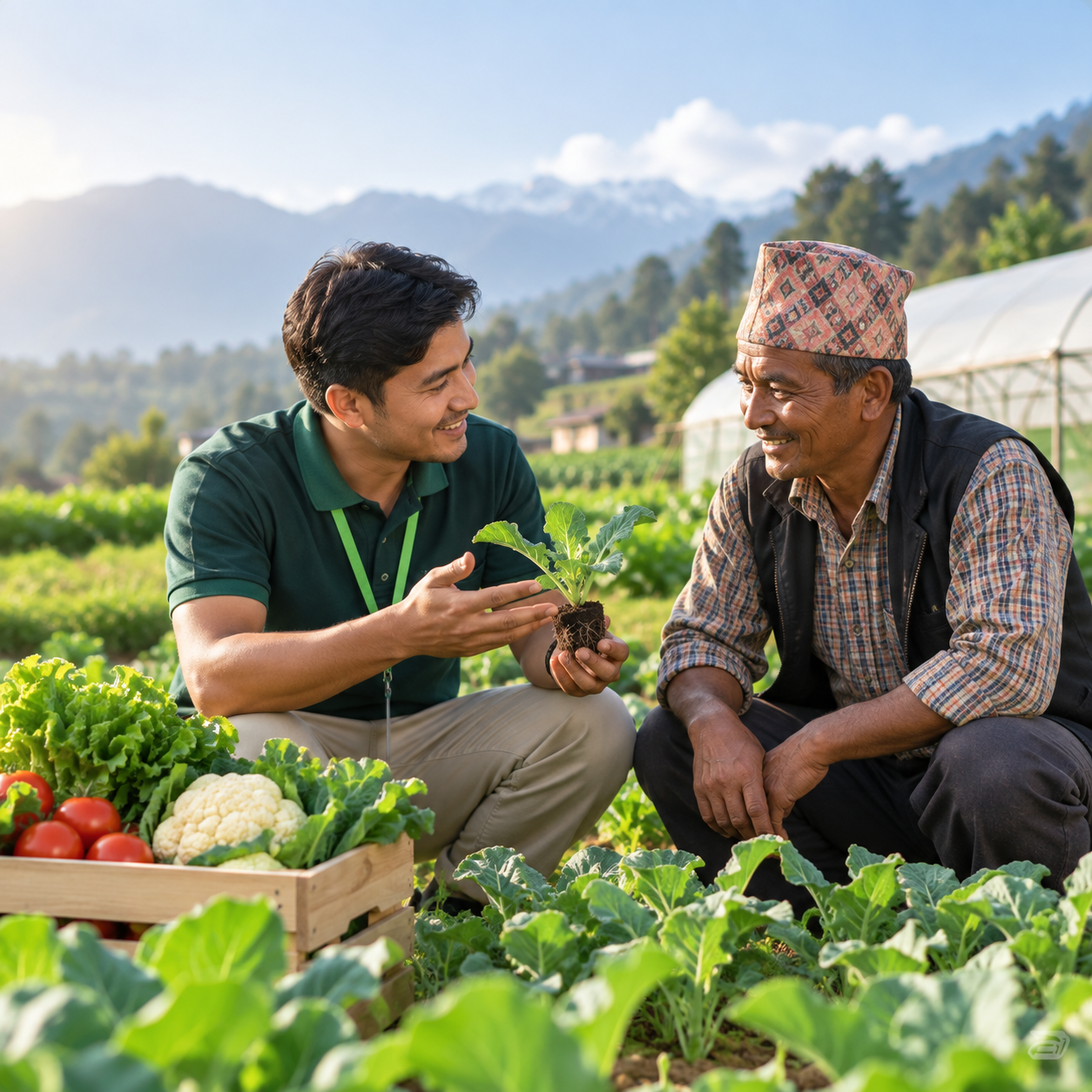
Combine these field habits with crop-specific guidance for the variety you're growing this season.



Timalsina Seed Concern (TSC) connects Nepal's agricultural sector with quality seeds and agricultural products sourced through trusted international partnerships. We are committed to supporting growers with better choices for better harvests.