
Match to Growing Conditions
Consider your soil, climate, elevation and season. A variety that performs well in one growing environment may not suit another.
Good seed can still under-perform if it's chosen, stored or handled the wrong way. Quality is protected long before a seed reaches the soil — in how it's selected, read, stored and prepared for sowing.
This guide walks through the fundamentals: choosing the right seed, understanding what's on the packet, storing it correctly, and giving it the best start at germination.
Talk to Our Team ↗Jump to any section, or read through for the full picture.
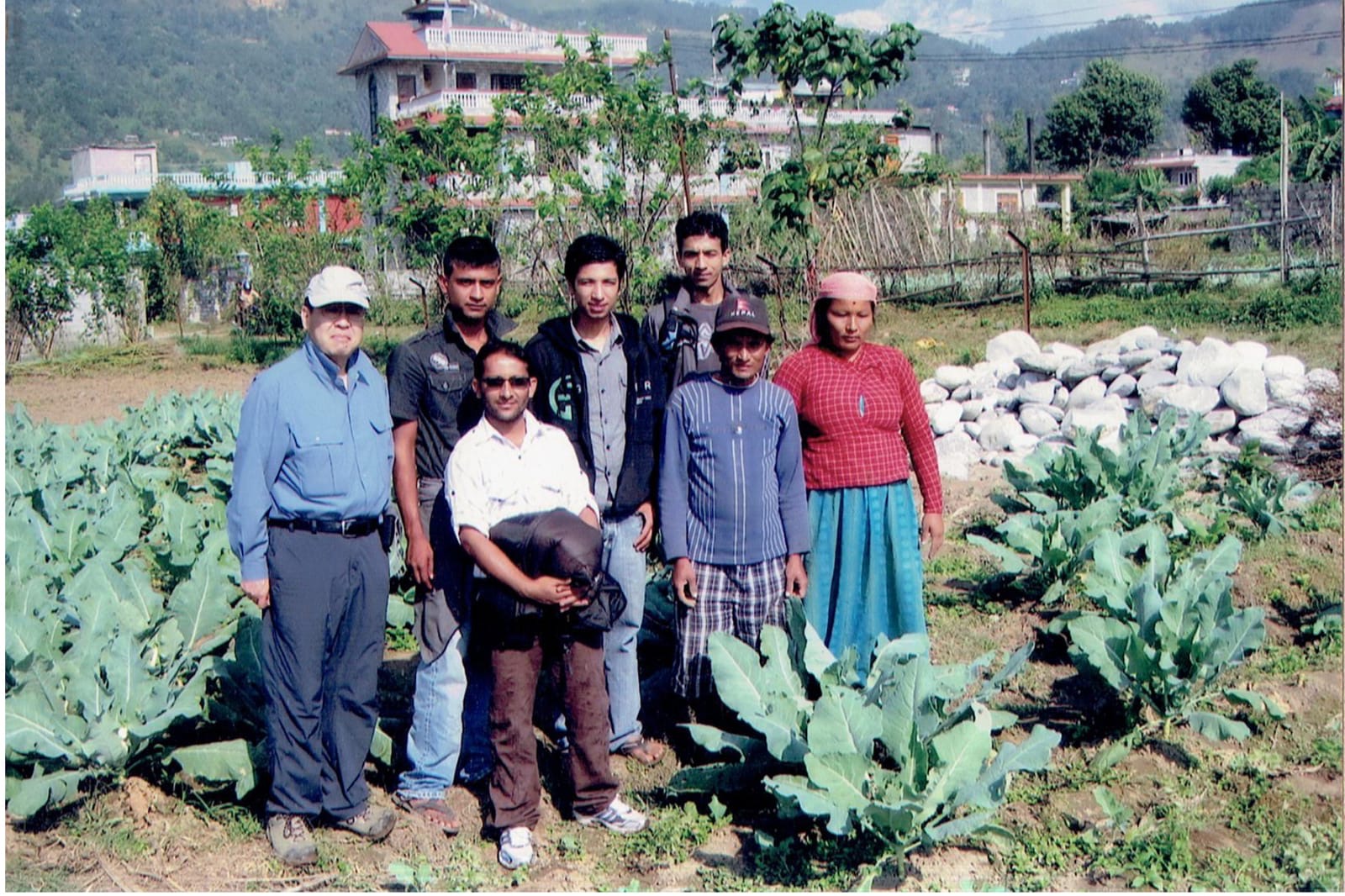
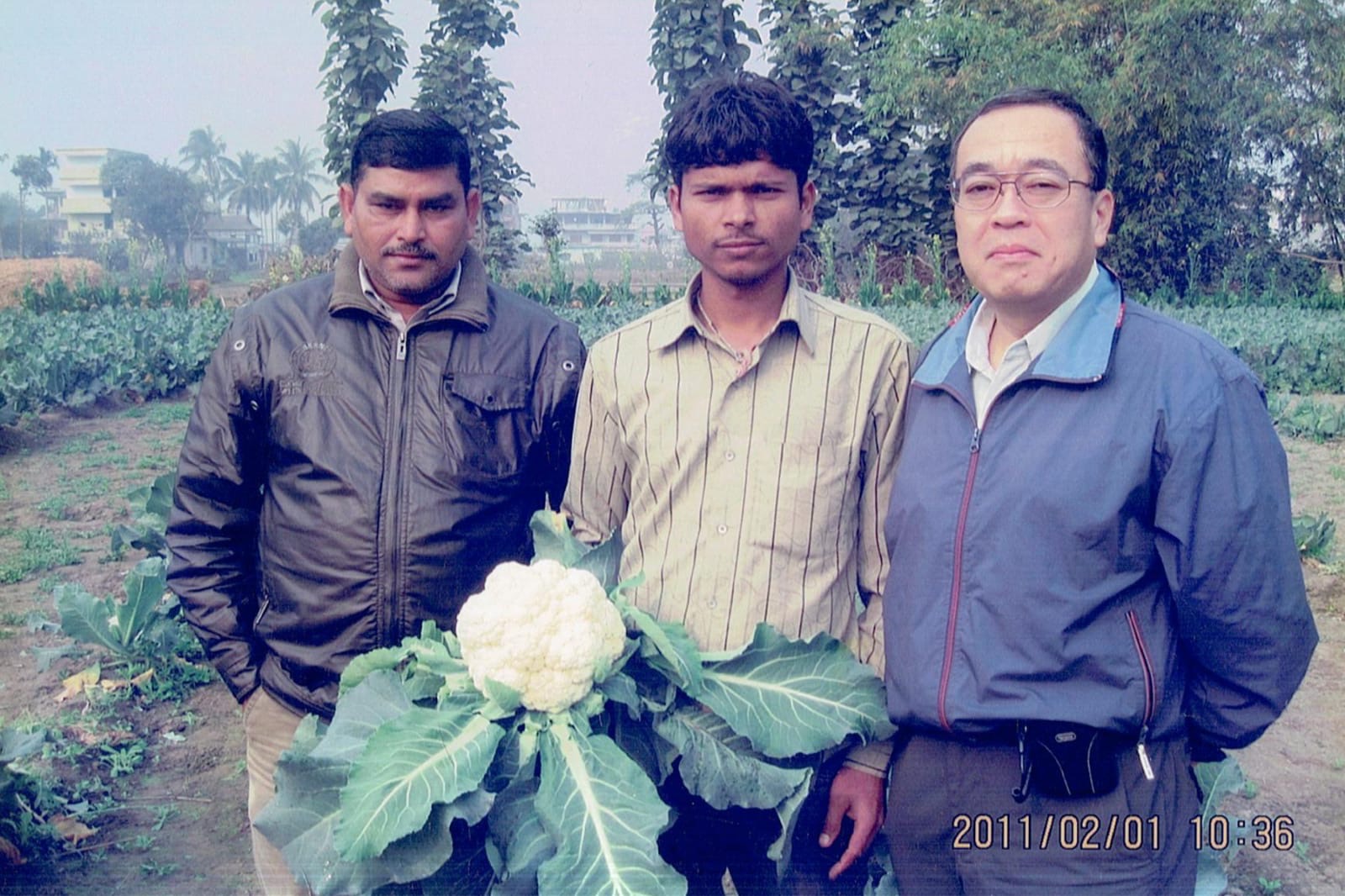
The right choice starts before you ever open the packet.
Consider your soil, climate, elevation and season. A variety that performs well in one growing environment may not suit another.
Think about who will use the harvest and how. Fresh market, processing and home consumption often favor different characteristics.
Buy from a trusted supplier who can speak to the seed's origin, handling and current availability before you commit.
A seed packet carries more than a crop name. Knowing what to check helps you buy with confidence and keep track of what you've planted.
Not sure how to read a specific packet? Our team is happy to walk you through it.
Most quality loss between purchase and sowing comes down to storage conditions.
Heat speeds up the loss of seed viability. Store seed somewhere cool and out of direct sunlight.
Moisture is the biggest threat to stored seed. Choose a dry location away from damp walls or floors.
Reseal packets tightly after opening, or transfer unused seed to an airtight container.
Always keep seed in, or clearly labeled with, its original packet details — especially if transferred to another container.
Even good seed needs the right conditions to germinate well. A few basics make a noticeable difference in how evenly and reliably seeds come up.
Each crop has a temperature range where germination is fastest and most even.
Soil that's evenly moist, not waterlogged or dry, supports steady seed emergence.
Sow at the depth suited to the seed size — too deep or too shallow can both slow emergence.
Germination windows vary by crop. Give seed the full expected window before assuming it hasn't worked.
 FAQ
It varies by crop and by how the seed has been stored. Cool, dry, sealed storage extends usable life; heat and moisture shorten it. If in doubt, check with our team about a specific batch.
Often yes, provided it was stored correctly. If germination seems uncertain, sow a small test batch first before committing a full planting to it.
Uneven germination usually traces back to temperature, moisture, sowing depth or seed age. Reviewing these basics is a good first step before assuming a seed quality issue.
A cool, dry, dark spot away from direct sunlight and damp walls works well — a sealed container in a store room is often a better choice than a shelf in a warm kitchen.
Yes. Our team can talk through your growing conditions and goals to help you compare options from our current product portfolio.
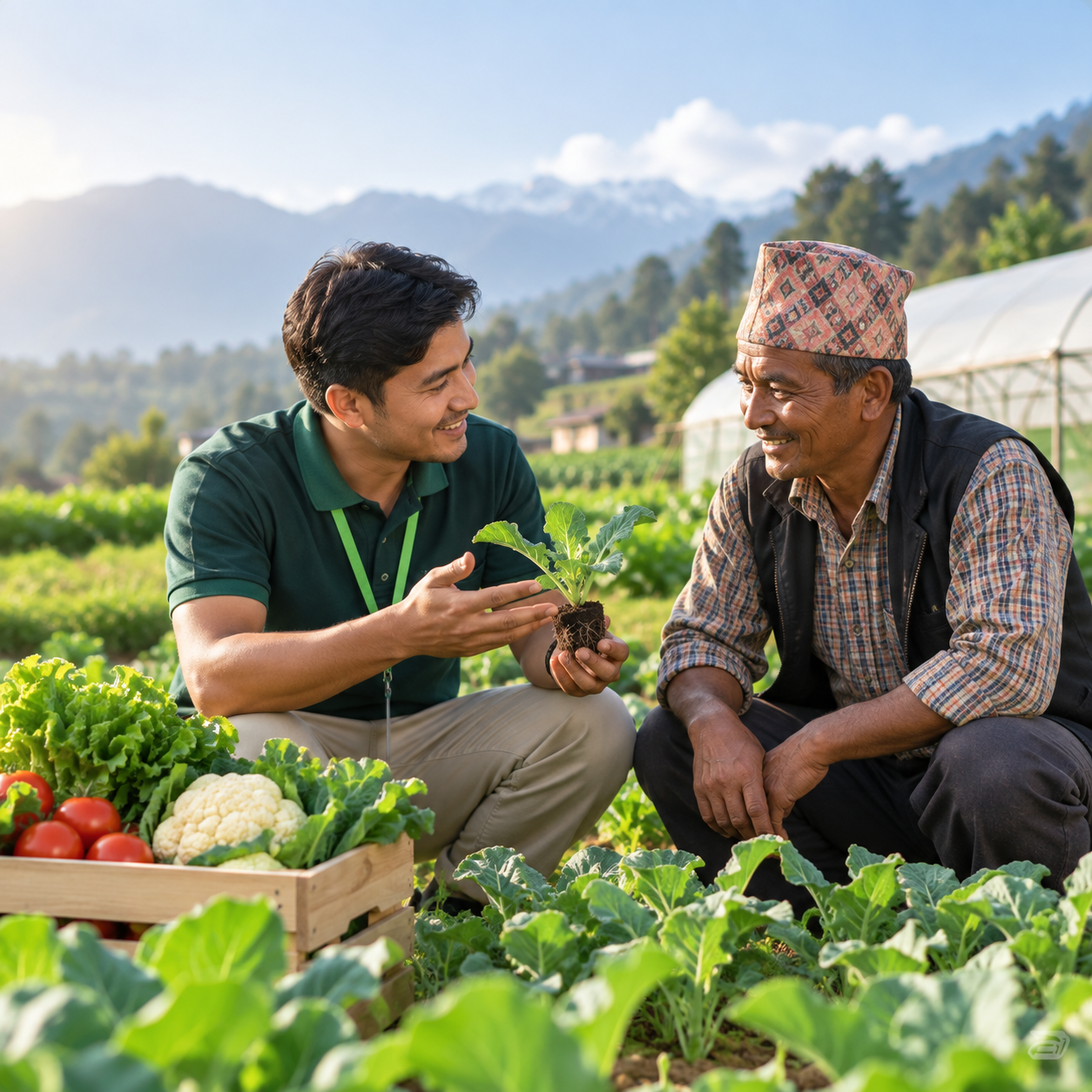
Now that you know what to look for, browse our crop-by-crop guides to find growing guidance for the variety you have in mind.

Timalsina Seed Concern (TSC) connects Nepal's agricultural sector with quality seeds and agricultural products sourced through trusted international partnerships. We are committed to supporting growers with better choices for better harvests.